

In accordance with EU requirements, the excise duty for all categories of cigarettes will be no less than LTL 221 (EUR 64, 85.05 USD) per 1,000 cigarettes from the following year. Until now, these tax levels have only be applied t o the “most popular” category of cigarettes.
The excise duty on smoking tobacco will grow from LTL 111 to LTL 139 per kg. As of 2013, the excise duty will be raised to LTL 163, to LTL 187 in 2015, and to LTL 208 in 2018. The excise duty on cigars and cigarillos will be raised from LTL 38 to LTL 80 per kg. [1.00 LTL = 0.3848 USD]
The measures are part of a package that also provided for exemptions from the value-added tax for hotels and books, reversing increases the government passed after the economic slump hit at the end of 2008. (pi)
Lithuania related news briefs:
Lithuania - must control illicit tobacco in order for tobacco control to work.. :
Lithuania - September 1, 2009 - excise duty on cigarettes increased..
References: Lithuanian Seimas approves raising tobacco and fuel excise duties, Danuta Pavilenene, BC, Vilnius, Baltic Course, 12/1/2010; Tobacco excise duty to increase, Tobacco Journal International, 12/1/2010.
Read more...
Lithuania - tax to increase January 1, 2011 on cigarettes, cigarillos, and smoking tobacco..

South Africa - BAT funding awareness campaign to highlight link between illegal cigarettes and organized crime..

BAT South Africa corporate and regulatory affairs director Fay Kajee said yesterday that the sale of illegal cigarettes was a growing concern due to its link to the arms trade. “It is not just about the effect on legitimate volumes, profits and tax revenue,” she said.
But the impact on legal sales has been significant. Kajee said the campaign, which is costing it R8.5 million, was also about protecting market share. BAT has an 85.7 percent share of the legal tobacco market in South Africa. “We have seen volumes decline as sales of illegal trade has risen to about 20 percent of total sales. This compares with the international norm of 6 percent to 12 percent.” [1 USD = 6.87634 R]British American Tobacco (BAT) South Africa is the leading manufacturer of cigarettes in South Africa. The company has an estimated 65% share of the total tobacco market in a country where one in every four adults chooses to smoke. (British American Tobacco South Africa
In the past three years sales of legitimate products have declined from 25 billion cigarettes in 2008 to 21 billion this year. Over the same period the sale of illegal cigarettes has more than doubled from 3 billion in 2008 to 6.3 billion this year. It is estimated that one in five cigarettes is illegal.
The estimated annual revenue loss to the government is R2.5 billion in unpaid taxes as just more than half of the cost of a packet of cigarettes goes to excise and VAT. Legitimate sales of cigarettes by the tobacco industry generate about R10bn in revenue for the government, according to BAT.
Adrian Lackay, the spokesman for the SA Revenue Service, said the loss in revenue from illegal sales was about R1bn. “Illegal cigarettes are very lucrative as they are light, compact and can be distributed quickly,” Lackay said
Kajee attributed the rise in the sale of illicit cigarettes to opportunity, specifically the fact that supplies from Zimbabwe could be smuggled into the country easily, despite the government’s efforts. Financial pressure on consumers has also created greater demand for cheap products.
Kajee said illicit cigarettes were more prevalent where there was greater demand for cheap products, but it was not only street vendors that sold them, but also cafes and other formal retailers.
Illegal cigarettes are those that are smuggled into the country to evade tax or are counterfeit. A dead give away of an illegal cigarette is the price. Any cigarettes that retail for less than R13.50 for a pack of 20 should ring an alarm bell. Kajee said when you factored in manufacturing costs, transport and the margin the retailer would add on, it could not be sold at this price if it was a legitimate product. Other signs are missing, misplaced or incorrect health warnings.
Gauteng accounts for half of the illegal trade in South Africa, followed by the Western Cape. See map of provinces upper right-hand corner. This is where the campaign, which is supported by the Tobacco Institute of SA, will begin. Retailers and shoppers have been targeted with information letters, signage and leaflets. The campaign, which will also include print and billboard adverts, aims to change consumer and retailer behaviour by sending the message that money from illegal cigarettes funds violent crime.
The consequences for retailers selling these products could be a R20 000 fine, five years in jail or three times the value of the goods found, under the Customs & Excise Act for tax evasion, or up to R1m under the Tobacco Products Control Act. - Business Report
Reference: BAT lashes out at illegal cigarettes by Samantha Enslin-Payne, IOL.co.za, 12/1/2010.
South Africa related news briefs:
South Africa - Famous Smoking Chimpanzee Dies At 52..;
South Africa Scores Big with Smoke-Free Policy at Soccer 2010 World Cup..;
South Africa - SANHA have condemned cigarette smoking..;
South Africa - smoking more cigars as cigarette usage declines..;
South Africa - smoking rates remain high much more work still needed..;
South Africa - difficult to enforce law against smoking in a vehicle when child younger than 12 is present..;
South Africa - BAT wants court to lift ban on "one-to-one" communication with smokers..;
South Africa - new anti-smoking laws have to be enforced..;
Swedish Match finalizes sale of South African operation to PMI..;
South Africa - tobacco control legislation signed into law..; South Africa - survey of youngsters smoking and drinking hablits..;
Reynolds Tobacco is now providing coupons for a free can of Camel SNUS;
British American Tobacco (BAT) - 100 years in Africa..;
BAT Marketing Tobacco Products Using Text Messaging...
Read more...


New South Wales (NSW), Australia - more bans coming for smoking in public places..


Mr. Sartor published a discussion paper that says consideration should be given to toughening the law to ban smoking in outdoor eating areas and near children's playgrounds, sporting grounds and public swimming pools. Bans on smoking could also apply within four metres of a public building. And the government wants to remove the smoking ban exemption for private gaming areas in casinos. "Perhaps the greatest challenge that we face on the tobacco front today is the mounting credible evidence of the damaging effects of environmental tobacco smoke," Mr Sartor said.
Australian researchers reported that 52 people in New South Wales (NSW) died due to passive smoking in the year 2007, including nearly 15 children under 15.
The purpose is to reduce smoking rate by 0.5% by the end of 2016 and 10% until 2020. Almost 17.25% adults in NSW are smokers. Therefore, in order to reduce this rate, such effective measures are being taken. As smoking is banned in NSW pubs and clubs, the councils have further banned smoking on beaches. "We have made great inroads into the prevalence of smoking in recent years through targeted prevention campaigns, legislation and enforcement activity", said Mr. Sartor.
New South Wales, Australia - budget for anti-smoking advertising cut..
An active smoker is not the only one who is at risk, but persons in his/her surroundings are equally at risk and they have to face severe consequences. (U.S. Surgeon General Reports Indisputable Dangers of Secondhand Smoke Secondhand smoke can lead to disease and premature death in children and adults by Larry West, About.com Guide)
The Heart Foundation chief executive, Tony Thirlwell, said he hoped to see all crowded outdoor areas smoke-free by July. "Although we're pleased to see acknowledgment of the dangers of second-hand smoke, we're disappointed about the absence of any real commitment or action from this government," Mr Thirlwell said. "The effect of passive smoking is 80 to 90 per cent as large as smoking a cigarette yourself - when will NSW families finally be able to enjoy a meal outdoors without being exposed to toxic cigarette smoke? "Second-hand smoke (passive smoking, shs, involuntary smoking, sidestream. environmental tobacco smoke, ets) is a major risk factor for heart disease."
References: Home alone: smoke bans spreading to more public places, Alexandra Smith STATE POLITICS, The Sydney Morning Herald, 12/1/2010; Calls for Smoke-Free Surroundings, Submitted by Ria Pate, Topnews.us, 12/5/2010.
New South Wales related news briefs:
New South Wales, Australia - budget for anti-smoking advertising cut..;
Australia - opportunity to buy cigarettes too readily available..;
Smokers' kisses can be fatal, a leading child health expert has warned..;
Orange, New South Wales, Australia - bans smoking in central business district..;
Australia, New South Wales - BAT pushes for removal of judge hearing a cancer compensation case..;
Australia - New South Wales - display ban for large stores started January 1, 2010..;
New South Wales politician smoking comment totally inaccurate..;
New South Wales - July 1, 2009 - Great Day for Tobacco Control..;
New South Wales - comply with tobacco laws too costly - NOT TRUE..; New South Wales refuse to be complacent about tobacco control..;
New South Wales won't use "separation" anti-tobacco ad..;
NSW Premier Rees Directly Involved Staged Smoking Bans..;
NSW - Clerical Error 2008 Tobacco Bill Corrected..;
Candy cigarettes predispose children to smoke..;
More New South Wales - Sweeping Anti-Tobacco Measures..;
New South Wales - tough new anti-tobacco laws approved..;
New South Wales - Big Tobacco Influencing Cabinet's Decision..;
Festival cigarette stalls banned in youth crackdown...
Read more...

Tobacco deadly in any form or disguise - graphic warnings for cans of smokeless tobacco ..
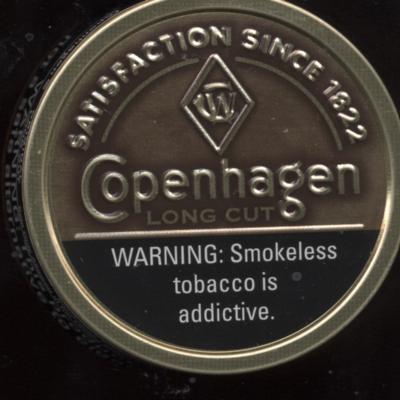

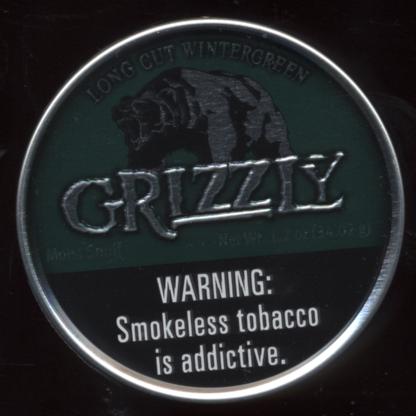

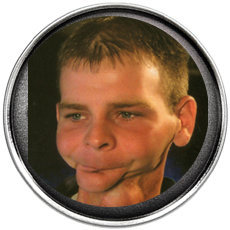
December 5, 2010 - As pointed out by Philip Morris USA public health authorities found smokeless tobacco products are addictive and can cause cancer, heart problems and diseases of the mouth, gums and teeth. Smokeless tobacco is strongly associated with leukoplakia—a precancerous lesion of the soft tissue in the mouth that consists of a white patch or plaque that cannot be scraped off. Also, smokeless tobacco is associated with recession of the gums, gum disease, and tooth decay.
A British American Tobacco (BAT) spokeswoman, Kate Matrunola, said some smokeless tobacco products like Swedish snus are less damaging than cigarettes, though “smokeless does not mean harmless.” Swedish Match - comments on the effect of snus on the oral mucosa.
The number of U.S. teenage boys using smokeless tobacco went up to 4.4 percent from 3.4 percent between 2002 and 2007, according to a nationwide survey published by the Department of Health and Human Services. Tobacco companies such as Philip Morris International Inc. and British American Tobacco Plc are selling more nicotine products that are sucked, not burned, in response to smoking bans.
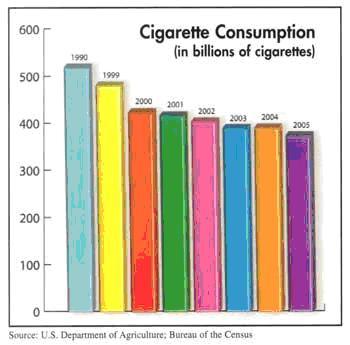
In fact, sales of cigarettes continues to decrease while sales of smokeless tobacco are increasing every year by about seven percent. (Where's The Growth in Smokeless Tobacco Products..)
Recently the U.S.. FDA - unveiled proposed warning labels for cigarette packs..
Why not have graphic warning labels on cans of smokeless tobacco??
We provide a few examples of oral lesions. (In doing this little exercise we learned that American Snuff's Grizzly contains only 70% U.S. tobacco. American Snuff Company, formerly Conwood Sales Company LLC, is a division of Reynolds American Inc.)
A consortium of 10 health agencies - from the American Medical Association to the American Heart Association to the American Cancer Society -- have joined in a campaign to encourage Major League Baseball (MLB) to ban the use of smokeless tobacco in the next Collective Bargaining Agreement. The group, led by the Campaign for Tobacco-Free Kids, sent letters to commissioner Bud Selig and Michael Weiner, the head of the Players' Association, two weeks ago. The letter sent..
Let's not limit graphic warnings to cigarettes - any form of tobacco can lead to a life of addiction, chronic disease and premature death.
References: Health Agencies Urge MLB Tobacco Ban, Jeff Fletcher, provided by Fanhouse, San Francisco Chronicle, 12/3/2010; Two-Cent Chewing Tobacco for Kids Spreads Oral Cancer in India by Adi Narayan, Bloomberg.com, 11/29/2010. Read more...
Philadelphia, PA - teen-smoking rate is among the worst of big cities..
December 5, 2010 - Philadelphia has a teen smoking rate that is No. 1 among big cities with comparable data. The City Council voted unanimously Thursday, December 2nd to raise fines on merchants who sell to youths and to make it easier to temporarily shut them down for repeat violations.
Philadelphia has an unusually high number of retailers: one for every 27 kids ages 10 to 17. More than three-quarters of them are located within 1,000 feet of a school. Undercover compliance checks have found that kids successfully buy cigarettes a fifth of the time.
City Code treats illegal sales by retailers like a parking ticket (but one that is handled far less efficiently than the parking authority would). A summons is mailed out several weeks after the offense; the store owner mails back a $100 check for the first, second or even seventh offense, and usually that is the end of it. The amendment given final approval on Thursday raises the fine to $250. It also streamlines the process, rarely used by the Department of Licenses and Inspections in the recent past, to temporarily cease operations of retailers after a third violation. Officials say the Department of Public Health will also be more involved, with workers visiting every retailer within two days of every illegal sale.
The City Code is still far weaker than state statutes that cover all underage sales in New Jersey and everything in Pennsylvania outside Philadelphia. Those have graduated fine structures, reaching $1,000 or more for repeat offenses. The courts also get involved in every case, a procedure that city Health Commissioner Donald Schwarz said would be preferable but would overwhelm Municipal Court with 1,000 more cases a year. New Jersey five years ago also raised the minimum age for sales of tobacco to minors to 19; state excise taxes are higher there as well, a signifcant deterrent for youths with limited spare change.
Pennsylvania - only state with no state tax on cigars and smokeless tobacco products..
Researchers say disposable income plays a major role in teen smoking. Indeed, while Philadelphia’s rate of 3.6 percent is highest among comparable big cities, it is less than half the national rate of 7.3 percent, which includes high school students from the suburbs and other areas. Statewide rates are 7.6 percent in Pennsylvania and 5.5 percent in New Jersey.
Disposable income also likely explains the huge racial and ethnic disparities in Philadelphia’s teen smoking rates: 15.6 percent for whites, 3.1 percent for Hispanics, and 1.2 percent for blacks. Both the white rate and the overall rate are the highest among select cities, according to the national Youth Risk Behavior Survey’s interactive data tool.
Statistics compiled by the city show that Philadelphia has 4,398 tobacco retailers, or 27 for every 1,000 children ages 10 to 17 - double the ratio in Chicago, San Diego, and New York. Forty percent are within one block of a school, 80 percent within two blocks. "As kids are walking to and from school, they are exposed to a lot of tobacco advertising," said Giridhar Mallya, director of policy and planning for the Philadelphia Department of Public Health, adding that manufacturers responded to increased ad restrictions by relying more on retailers to get out their message.
Tobacco excise taxes, which are controlled by the state, mean that cigarettes in Philadelphia cost $6 to $7 a pack, compared with $8 to $9 in Boston and, with a recently approved increase, nearly $11 in New York City, he said. And if a pack is too expensive, retailers here, many of them small operations, also seem more willing than merchants elsewhere to sell "loosies," he said - two cigarettes for $1.
More than a third of teens in the city buy tobacco directly from a shop, officials said, another No. 1 for Philadelphia.
"They can bum and borrow, but when they actually can buy their own cigarettes, [smoking becomes] much harder to control," said pediatrician Sara B. Kinsman, who works with adolescents at Children's Hospital of Philadelphia. Smoking causes youth health problems, worsening asthma for example. .But the biggest concern about youth smoking, Kinsman said, is that 80 percent of adult smokers started in their teens.
It is a circular problem in Philadelphia, which has some of the highest adult smoking rates among big cities. Youths here "grow up in environments where they see adults smoking," Mallya said.
Among children, the rate is almost entirely a white phenomenon: More than 15 percent of white students in ninth through 12th grade said in last year's national Youth Risk Behavior Survey that they had smoked on at least 20 of the last 30 days. That's five times the Hispanic rate and 14 times the black rate.
Public-health workers say white teens have more money than minority youths to spend on cigarettes. That situation changes when they reach adulthood. Philadelphia's adult smoking rate - 27 percent in 2008, according to the regional Household Health Survey - is almost identical among the three groups.
The city has no authority over tobacco taxes and limited control over the number of retailers, who can get a state tobacco license for $25. So officials have focused on illegal sales to teens.
For years, a retailer who sold tobacco to an undercover "youth surveyor," observed by an adult, would receive, several weeks later by mail, a $100 summons, similar to a parking ticket. Even when the Department of Licenses and Inspections shut down a repeat violator, Mallya said, the shop owner could pay a fine and reopen the same day.
Along with the ordinance scheduled for a final Council vote Thursday, policy changes will enable city workers to deliver, within two days, the summonses that currently go by mail; they will use the opportunity to educate shop owners.
The implementation of the Food and Drug Administration (FDA) Retailer Compliance Program should help stop sales of tobacco to youngsters. (U.S. FDA publishes rule to protect our children that restrict advertising and marketing of tobacco products..)
New Jersey law, which defines underage as younger than 19, fines the clerk who makes the sale, rather than the owner, at a rate of $250 for the first violation up to $1,000 for the third. A judge signs off on all cases and adds $158 in various fees.
Pennsylvania law, which is far newer than Philadelphia's, applies to the rest of the state. Both owners and sellers are held responsible, with graduated fines of up to $5,000 for a retailer's fourth offense and $100 to $1,000 for the clerk. A district justice must sign off on all cases.
Philadelphia Health Commissioner Donald Schwarz told Council that he would love to treat underage sales as a criminal offense but that Municipal Court simply could not deal with 1,000 more cases a year.
Philadelphia is increasing its compliance checks to more than 8,000 this year using federal stimulus dollars.
The news is grimmer elsewhere. Faced with budget cuts, Pennsylvania and New Jersey have sharply reduced money for prevention, including compliance checks - a big worry for suburban health officials, who have seen their rates of illegal sales plummet from 50 percent to under 10 percent over the several years that the programs had been in full swing. (State Cigarette Excise Taxes: July 2010)
References: Philadelphia raises penalties for underage tobacco sales, posted by Don Sapatkin patkin@phillynews.com), Te Philadlephia Inquirer, 12/2/2010; Philadelphia teen-smoking rate is among the worst of big cities by Don Sapatkin (patkin@phillynews.com) Inquirer Staff Writer, Philadlephia Inquirer, 12/2010.
Read more...




To Provide Public Awareness
Purpose
About Us
Contact Us
2008 HIGHLIGHTS
TOPIX PAPERS - 2008 & 2009..