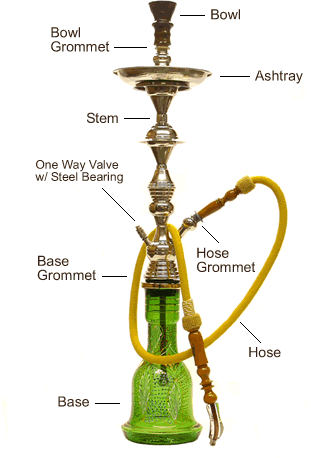
 May 21, 2008 - Led by Professors Thomas Eissenberg at VCU and Alan Shihadeh at AUB, the team will conduct a multi-disciplinary study which combines clinical research methods, state-of-the-art technology developed at AUB, analytical chemistry, and cellular biology to examine the effects of smoking water pipe tobacco on the heart, lungs and cell biology in individual users by measuring their toxin exposure as well as the toxin content of water pipe tobacco smoke. The team will also study group water pipe tobacco smoking in cafés - examining the effects of sharing a water pipe on levels of toxin exposure and content. Finally, the team will compare toxin exposure and effects between water pipe tobacco smoking and cigarette smoking. (Team has been awarded a $2.8 million research grant, ArabianBuisness.com, 5/21/2008) For related news briefs: May 9, 2008.
 American University Beirut (AUB) Lebanon and Virginia Commonwealth University (VCU) awarded $2.8 million from U.S. NCI to study toxin exposure and hea
May 21, 2008 - Led by Professors Thomas Eissenberg at VCU and Alan Shihadeh at AUB, the team will conduct a multi-disciplinary study which combines clinical research methods, state-of-the-art technology developed at AUB, analytical chemistry, and cellular biology to examine the effects of smoking water pipe tobacco on the heart, lungs and cell biology in individual users by measuring their toxin exposure as well as the toxin content of water pipe tobacco smoke. The team will also study group water pipe tobacco smoking in cafés - examining the effects of sharing a water pipe on levels of toxin exposure and content. Finally, the team will compare toxin exposure and effects between water pipe tobacco smoking and cigarette smoking. (Team has been awarded a $2.8 million research grant, ArabianBuisness.com, 5/21/2008) For related news briefs: May 9, 2008. Bioavailability Better With Fuisz Tobacco film strips compared to nicotine chewing gum..
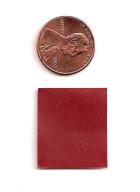 May 21, 2008 - A cross-over clinical study comparing the absorption of nicotine from the use of Fuisz Tobacco's dissolving tobacco strip and the use of a nicotine 2mg chewing gum was carried out. The Fuisz Tobacco strip containing 75 mg's of tobacco delivered substantially higher peak nicotine plasma concentration than the 2 mg nicotine chewing gum control product. This suggests that the Fuisz Tobacco strip delivers nicotine more than five times more effectively than the SNUS tobacco format, which is considered to represent the most efficacious smokeless tobacco format for nicotine delivery currently available. ( Fuisz Tobacco Announces Clinical Study Results for Fuisz Tobacco Sheet Strip; Super Enhanced Bioavailability of Nicotine From Its Tobacco Sheet Strip Supports Efficacy of Low Dose Tobacco Product, PR Newswire, 5/20/2008) Related news brief: Tobacco Products When You Can't Smoke.
Tobacco Display Ban Deadline of May 31, 2008 Looms in Ontario and Quebec..
 May 20, 2008 -
The relevant subsection of the Smoke-Free Ontario Act specifies that, “no person shall display or permit the display of tobacco products in any place where tobacco products are sold or offered for sale in any manner that will permit a consumer to view any tobacco product before purchasing the tobacco product.” FACT SHEET 1.1: RETAIL DISPLAY OF TOBACCO PRODUCTS, last updated July 27, 2007) It is well known that the display of cigarette packages functions much like cigarette advertising in the minds of children, increasing their perception that cigarettes are easy to obtain and facilitating their recall of brand names (Wakefield M et al., An experimental study of effects on schoolchildren of exposure to point-of-sale cigarette advertising and pack displays. Health Education Research 2006;21(3):338-347). Ontario Convenience Stores Association (OCSA) said that more than half of the 10,000 c-stores in Ontario are not ready. One survey has shown four in five smokers want a ban on tobacco advertising in shops to stop youngsters starting the habit.Related news brief: Tobacco displays are on their way out in an increasing number of countries.. Meanwhile in the U.S.A. - Philip Morris is hard at work competing for prime tobacco display space in c-stores.
Read more...
Turkey's ban on pubic smoking goes into effect on Monday, May 19, 2008..
 May 19, 2008 - Under the provisions of the "Law to Prevent the Dangers of Tobacco Products" smoking will be banned in enclosed areas of all public buildings -including the corridors- education and health institutions, cultural and sports centers and on all public transportation. Those who defy the ban will be fined 50 YTL ($40.65), a fine of 20 YTL ($16.25) will also be imposed for discarding empty cigarette packets and cigarette butts in the street. The ban will be introduced in restaurants, coffeehouses and cafeterias as of July 19, 2009. But, if these places share a space with trade centers, cinemas, airports, bus terminals, sports and entertainment centers or shopping malls, which are not allowed to have designated smoking areas, then they, too, will be subject to the ban beginning today. Also, The brand names of cigarettes, producer names, logos and other symbols connected to tobacco products are banned from advertisements under the law. References: Turkey's "public places smoking ban" goes into effect on Monday, hurriyet.com, 5/19/2008 and Smoke-free life begins in Turkey as of today, Today's ZAMAN, 5/19/2008. In Turkey Philip Morris International (PMI) has 41% of the cigarette market share and British America Tobacco (BAT) on acquiring Tekel, Turkey’s state-owned cigarette company, goes from 7% to 36% of the market. ( BAT in $1.7bn deal for Turkey's state-owned cigarette group Timesonline) PMI is test marketing Marlboro Intense in Turkey. Turkey signed the WHO FCTC public health treaty on April 28, 2004 and it was ratified on December 31, 2004. (TobaccoWatch.org)
Tobacco Tax Increase – What’s Wrong with South Carolina??
 May 16, 2008 – Tobacco Tax Increase – What’s Wrong with South Carolina?? South Carolina's (SC) cigarette tax is currently 7 cents, the lowest in the nation. It was last raised 31 years ago. On Tuesday, May 6, 2008 the State Senate gave approval to as 50-cent per pack increase in the state’s cigarette tax. The tax is expected to collect $159 million yearly. According to the S.C. Tobacco Collaborative, which represents health groups raising cigarette tax to 57 cents will prevent 35,500 SC kids who are alive today from becoming smokers. In addition, 18,700 adults will quit or won't start smoking. With such positive health benefits that can result from the increase in the cigarette tax why does the Governor Mark Sanford say that he will veto the Senate's cigarette tax hike. Of the $158 million that is expected to be collected $76.5 million will be used to enlarge and grow Medicaid benefits. Based on current Medicaid growth numbers of eight percent annually, $165.2 million will be needed to provide that same level of benefits 10 years from now. The governor is concerned that the raise in the cigarette tax will result in fewer smokers which could result in a financial shortfall in the future in paying for Medicaid. (As we know some states where the tobacco tax has been increased have actually seen an increase in taxes raised; e.g., Iowa, North Carolina but other states have seen a decrease, e.g., Wisconsin.) Governor Sanford agrees with the idea of raising the cigarette tax but would like the money collected to be used to provide tax relief to South Carolinians. Instead of circumventing the governor's veto the groups wanting passage of the bill should work with the governor to obtain agreement on how the money raised should be spent. One non-negotiable item should be the $5 million needed to pay for efforts to prevent smoking or getting people to quit. References: South Carolina cigarette tax hike gets key approval by Jim Davenport, Forbes.com, 5/6/2008; Gov. Sanford: Cigarette Tax Shouldn't Be Used to Grow Government, sc.gov, 5/8/2007 and SC Tobacco Collaborative - Cigarette Taxes. As of May 15, 2008 - the SC House has delayed debate on a Senate-passed cigarette tax bill. Click on image to enlarge..
Read more...
May 16, 2008 – Tobacco Tax Increase – What’s Wrong with South Carolina?? South Carolina's (SC) cigarette tax is currently 7 cents, the lowest in the nation. It was last raised 31 years ago. On Tuesday, May 6, 2008 the State Senate gave approval to as 50-cent per pack increase in the state’s cigarette tax. The tax is expected to collect $159 million yearly. According to the S.C. Tobacco Collaborative, which represents health groups raising cigarette tax to 57 cents will prevent 35,500 SC kids who are alive today from becoming smokers. In addition, 18,700 adults will quit or won't start smoking. With such positive health benefits that can result from the increase in the cigarette tax why does the Governor Mark Sanford say that he will veto the Senate's cigarette tax hike. Of the $158 million that is expected to be collected $76.5 million will be used to enlarge and grow Medicaid benefits. Based on current Medicaid growth numbers of eight percent annually, $165.2 million will be needed to provide that same level of benefits 10 years from now. The governor is concerned that the raise in the cigarette tax will result in fewer smokers which could result in a financial shortfall in the future in paying for Medicaid. (As we know some states where the tobacco tax has been increased have actually seen an increase in taxes raised; e.g., Iowa, North Carolina but other states have seen a decrease, e.g., Wisconsin.) Governor Sanford agrees with the idea of raising the cigarette tax but would like the money collected to be used to provide tax relief to South Carolinians. Instead of circumventing the governor's veto the groups wanting passage of the bill should work with the governor to obtain agreement on how the money raised should be spent. One non-negotiable item should be the $5 million needed to pay for efforts to prevent smoking or getting people to quit. References: South Carolina cigarette tax hike gets key approval by Jim Davenport, Forbes.com, 5/6/2008; Gov. Sanford: Cigarette Tax Shouldn't Be Used to Grow Government, sc.gov, 5/8/2007 and SC Tobacco Collaborative - Cigarette Taxes. As of May 15, 2008 - the SC House has delayed debate on a Senate-passed cigarette tax bill. Click on image to enlarge..
Read more...

Subscribe to:
Posts (Atom)


To Provide Public Awareness
Purpose
About Us
Contact Us
2008 HIGHLIGHTS
TOPIX PAPERS - 2008 & 2009..