 April 25, 2007 - Reynolds American Inc. (RAI), the nation's second-largest tobacco company, said its first-quarter profit for 2007 fell 5 percent, as strength in smokeless tobacco helped offset a soft cigarette market. RMI lost market share in the overall cigarette industry, saying its cigarette shipments fell 4 percent from the prior year. But the Winston-Salem-based company benefited from higher prices and improved its operating costs, officials said. During a conference, Chief Financial Officer Dianne M. Neal praised the company's new smokeless tobacco division, Conwood Co., for strong growth. Conwood saw its volume increase 14 percent and now owns more than one-quarter of the moist-snuff market. Reynolds acquired Conwood last year. "It positioned Reynolds American as the nation's only total tobacco company, with operations that compete in every major tobacco category," said Neal. Citigroup analyst Bonnie Herzog said investors should be concerned that Reynolds may not be able to accelerate its earnings, and she warned increased competition could hinder Conwood's growth. The company's net income dropped to $328 million, or 1.11 cents per share, from $345 million, or $1.17 per share, in the year ago period. Revenue rose 10 percent to $2.15 billion from $1.96 billion in the previous year. Reynolds American faces its largest challenges in the competitive and difficult cigarette market, which faces possible smoking bans, higher industry taxes and additional regulations by the Food and Drug Administration. Reynolds also expects industry consumption of cigarettes to drop 3 percent for the year.Though Reynolds lost market share in its cigarette business, the company gained in its so-called "growth brands" _ Camel, Kool and Pall Mall. Aggressive marketing, including the new "light and luscious" Camel No. 9 brand targeted at women, helped drive market shares and provided additional opportunity for growth, according to the company. (Reynolds American 1Q profit falls 5 pct on lower volume, Assoc. Press, FayObsever.com)
 Reynolds American Inc. (RAI), the nation's second-largest tobacco company, said its first-quarter profit for 2007 fell 5 percent, as strength in smoke
April 25, 2007 - Reynolds American Inc. (RAI), the nation's second-largest tobacco company, said its first-quarter profit for 2007 fell 5 percent, as strength in smokeless tobacco helped offset a soft cigarette market. RMI lost market share in the overall cigarette industry, saying its cigarette shipments fell 4 percent from the prior year. But the Winston-Salem-based company benefited from higher prices and improved its operating costs, officials said. During a conference, Chief Financial Officer Dianne M. Neal praised the company's new smokeless tobacco division, Conwood Co., for strong growth. Conwood saw its volume increase 14 percent and now owns more than one-quarter of the moist-snuff market. Reynolds acquired Conwood last year. "It positioned Reynolds American as the nation's only total tobacco company, with operations that compete in every major tobacco category," said Neal. Citigroup analyst Bonnie Herzog said investors should be concerned that Reynolds may not be able to accelerate its earnings, and she warned increased competition could hinder Conwood's growth. The company's net income dropped to $328 million, or 1.11 cents per share, from $345 million, or $1.17 per share, in the year ago period. Revenue rose 10 percent to $2.15 billion from $1.96 billion in the previous year. Reynolds American faces its largest challenges in the competitive and difficult cigarette market, which faces possible smoking bans, higher industry taxes and additional regulations by the Food and Drug Administration. Reynolds also expects industry consumption of cigarettes to drop 3 percent for the year.Though Reynolds lost market share in its cigarette business, the company gained in its so-called "growth brands" _ Camel, Kool and Pall Mall. Aggressive marketing, including the new "light and luscious" Camel No. 9 brand targeted at women, helped drive market shares and provided additional opportunity for growth, according to the company. (Reynolds American 1Q profit falls 5 pct on lower volume, Assoc. Press, FayObsever.com) Altria Group Inc. reported first-quarter profit that fell more than analysts estimated because of lower U.S. cigarette shipments,
 April 20, 2007 - Altria Group Inc. reported first-quarter profit that fell more than analysts estimated because of lower U.S. cigarette shipments, and said yesterday for the first time that it MAY SPIN OFF THE INTERNATIONAL BUSINESS - PHILIP MORRIS INTERNATIONAL. Bonnie Herzog, an analyst with Citigroup, wrote in a report that part of the loss in market share by the major tobacco manufacturers is the impact of deep-discount cigarette-makers. Deep-discount growth is putting pressure on the major manufacturers’ premium and savings segment, forcing companies to spend more money on promos/ads. Philip Morris International “is organizationally ready to stand independently” if Altria’s board decides to spin off the unit, Dinyar Devitre, Altria's Finance Chief said today on a conference call. Marlboro’s U.S. market share rose 0.4 point in the first quarter (2007) to 40.8 percent, boosted by a new menthol cigarette called Marlboro Smooth. The increase muted declines of 0.1 point by Virginia Slims and Basic cigarettes, while Parliament added 0.1 point. Total U.S. market share for Altria cigarettes was 50.4 percent, unchanged from a year earlier. (Winston Salem journalnow.com)
 As part of a plan to improve children's health, Gov. Eliot Spitzer Friday called for banning flavored or "starter" cigarettes that allegedly encourage
 April 20, 2007 - As part of a plan to improve children's health, Gov. Eliot Spitzer Friday called for banning flavored or "starter" cigarettes that allegedly encourage youths to take up smoking. The move comes six months after Spitzer, as state attorney general, helped to negotiate a nationwide agreement with R.J. Reynolds, in which the tobacco giant voluntarily agreed to stop identifying cigarettes with candy, fruit, desserts or alcoholic beverage names such as "Twista Lime" and "Winter Warm Toffee." The company, however, denied marketing to children. "We got them to agree not to market and label in a way that was designed to target kids but they are still doing it," Spitzer said, referring to cigarette-makers in general. Smoking has been linked to cancer. Spitzer, a Democrat, estimated 700,000 children begin smoking each year, with 220,000 expected to die prematurely. "This is a crisis. We must take aggressive action to reduce these numbers," he told the Rev. Al Sharpton's National Action Network. Details of the proposed ban weren't available. The anti-smoking bill is part of the freshman governor's so-called "children's agenda," which also calls for restricting the sale of violent video games to minors, and serving nutritious food in schools. (Spitzer behind effort to curb youth smoking, James Madore, Newsday.com) Can we count on the governor when the big push to go smokeless begins in full force??
 Japan Tobacco acquires Gallaher Group.. .
April 18, 2007 -Japan Tobacco took over Britain's Gallaher Group for US$15 billion Wednesday, both sides said, in the biggest Japanese overseas acquisition ever. The move also allows Japan Tobacco Inc., the world's third-largest cigarette company, to expand outside of Japan, which has seen declining smoking rates. The takeover of Gallaher, the maker of Silk Cut and Benson & Hedges cigarettes, also takes Japan Tobacco into a Western European market, where it now has little presence, creating a tobacco empire with annual global output of 600 billion cigarettes. Tokyo-based Japan Tobacco, the overseas distributor for Winston, Camel and Salem cigarettes, and Gallaher Group PLC had been expected to complete the deal, announced in December.
Reference: Japan Tobacco acquires Britain's Gallaher Group for $15 billion, Huliq News, 4/18/2007)
Read more...
German sales rise in Germany amid moves to impose smoking ban.
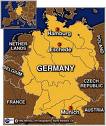 April 18, 2007 - German sales rise in Germany amid moves to impose smoking ban. Germans smoked more cigarettes in the past three three months as the country moved closer towards a smoking ban, according to figures released Wednesday, April 18, 2007. The Federal Statistics Office said 24 billion cigarettes were sold in the first quarter of 2006, an increase of 6.8 per cent over the corresponding period of last year. Sales of cigars and cigarillos rose 46.1 per cent during the same period, while demand for pipe tobacco increased 23.1 per cent, the statistics office said. The jump in sales comes amid plans to outlaw smoking in public places and impose a partial ban in bars and restaurants by the end of 2007 or early 2008. (EUX-TV, the European Channel). The use of SNUS - Moist Snuff is banned in Germany - a member of the European Union (EU). The EU adopted a directive as early as in 1992 prohibiting the sale of tobacco for oral use not intended to be smoked or chewed thus eliminating the use of SNUS.
Subscribe to:
Posts (Atom)


To Provide Public Awareness
Purpose
About Us
Contact Us
2008 HIGHLIGHTS
TOPIX PAPERS - 2008 & 2009..