 July 7, 2009 - Tobacco industry will try to "delay, dilute and damage" new measures in Scotland aimed at curbing sales to young people, anti-smoking campaigners warned today.
 Leaders of ASH Scotland said it was "inevitable" that tobacco firms would continue to challenge proposed legislation from the Scottish Government, which includes a ban on tobacco displays in shops. Sheila Duffy, ASH Scotland chief executive, spoke out as the organization launched a new campaign to highlight public support for the measures.
Members of the public are being urged to write to local stores giving their backing for proposals in the Tobacco and Primary Medical Services (Scotland) Bill.
Ms Duffy said the legislation - which is currently going through Holyrood (Scottish Government)_- aimed to "prevent children from smoking by stopping the visibility and availability of cigarettes to young people including removing cigarette displays at the point of sale".
But Ms Duffy said: "Inevitably however, the tobacco industry will continue to challenge the measures outlined in the Bill and do all it can to delay, dilute and damage the legislation. By employing scaremongering and misinformation tactics they have made retailers afraid of this law rather than embracing it as an opportunity to remove a lethal product from display."
Ms Duffy said it was "natural" for stores to be uneasy about moves to change the way products are displayed, but stressed the proposed new laws would not stop them selling tobacco to adult smokers.
ASH Scotland's Pride of Place? campaign aims to capitalise on public support for the measures, after a poll found 57% of people backed removing promotional tobacco displays, compared to 21% who were opposed to this.
And the group is urging people to write to shops outlining their support for the Bill.
Ms Duffy said: "We want to take our message direct to shopkeepers and counter the misinformation from the tobacco industry through our Pride of Place? campaign.
"Shopkeepers need to know that the public support the removal of cigarette promotional displays because it will stop the marketing of tobacco to children and young people.
"By joining our Pride of Place? campaign, we are urging people to write to the shops they use on a regular basis from the local shops where they live and work, to the garage where they get their petrol, to the large supermarket they get their weekly shop, to let them know they welcome this policy, and why."
And she said: "We must never forget the 13,500 deaths in Scotland every year due to smoking, the thousands who are affected by disease and ill health, and the 15,000 young Scots who start smoking every year.
"If we all work together, and make our voices heard, we can cut the pipeline of new young smokers to the tobacco industry.".
Reference: Tobacco industry 'will undermine' Scotland's attempts to curb sale, The Herald, 7/7/2009.
Related news briefs: Scotland - cigarette vending machines removal..; Scottish politicans most have the courage to protect the health of their constituents..; Scotland - small businesses given extra 2-years to remove tobacco displays..; Northern Ireland - assembly approves ban on display of tobacco items..; Scotland to ban cigarette displays and outlaw cigarette vending machines..; Bar workers who smoke also benefit from smoking ban..; 17 countries in the world ban indoor smoking - ENFORCEMENT..; England, Wales to ban tobacco displays in shops..; Definite Health Benefits of Smoking Bans..; Northern Ireland raising age for sale of tobacco from 16 to 18 joining the other three United Kingdom (UK) countries..; Scotland proposes to implement more measures to discourage tobacco use including the banning of tobacco displays..; Raise Age to 21 to Purchase Tobacco Products...
Scottish Coalition on Tobacco:

Click on image to enlarge..
Read more...
Scotland - tobacco industry will try to stop attempts to curb sales to young people..
Japan - Tokyo smoking cafes, people with children, those under 20 NOT allowed..
 July 7, 2009 - Salaried workers feeling cornered by the ever-expanding ban on smoking in Tokyo can rest easy at a recently opened cafe in the Shinbashi district that caters exclusively to smokers. At Cafe Tobacco, smoking is allowed on all three floors, according to its operator, Towa Food Service Co.
The cafe, with 44 places, opened near JR Shinbashi Station in April. Towa Food Service has also opened a second Tobacco Cafe in the nearby Yurakucho business district.
The smoke, meanwhile, is not visible inside the building as smoke neutralizers are installed on each floor. "Smokers also hate smoke from other smokers," said a Towa Food Service official. The cafe also offers original blend coffee with a bitter taste, which is believed to go well with cigarettes.
A sign posted at the entrance advises people with children and those under 20 to refrain from using the cafe.
Reference: Tobacco Cafe an oasis for smokers, Kyodo News, The Japan Times Online, 7/4/2009.
Some related news briefs - Japan: Japan - Kanagawa - bans smoking in public places starting April 2010..; Japan shelves tobacco tax hike for 2009.., Japan - Ruling party plans tobacco tax hike in 2009..; Japan Tobacco Starts Petition To Fight Tax Increase..; How to get most smokers to quit?? - Keep On Raising The Price..; Japanese lawmakers want to triple cigarette prices..; Japanese tobacco giants focus on point-of-sales cigarette purchases..; Japan - photos can be used to fool the age-verification cameras on some vending machines..; Vending Machines - Japanese protecting their children from becoming life-long nicotine addicts...
Click on image to enlarge, opened in April in Tokyo's Shinbashi district. KYODO PHOTO..
Read more...
Turkey - July 19th total smoking ban, will employees lose jobs..
 July 7, 2009 - The roughly 1 million people employed in the coffeehouses around the country risk losing their livelihoods with the advent of the smoking ban on July 19, and the ongoing global economic crisis said the president of the Turkey Coffeehouses and Cafes Federation, Murat Ağaoğlu.
"At the moment coffeehouse owners are very worried because the implementation of the smoking ban will completely kill an already stagnant business," Ağaoğlu said. "We are already struggling to put bread on our tables due to the economic crisis. With this ban we will have to shutter our businesses and join the army of the unemployed," he said. "If only our sector had been consulted before preparing the ban. We could have come up with a more workable proposal at the very least," said Ağaoğlu.
He said there are around 250,000 coffeehouses in city centers across the country and that they provide employment to close to a million people.
He said the coffeehouses have around 20 million customers and most of them are unemployed people or those close to retirement.
He said fines ranging from 560 Turkish Liras (362.18USD) to 5,600 liras (3,621.83USD) would be imposed on proprietors that allow the ban to be violated and that this would lead to fights among customers and proprietors since they cannot afford to pay such fines. Ağaoğlu said this ban need to be scrutinized once again before being implemented.
Based on changes made to law number 4207 that regulates tobacco and the consumption of tobacco products the use of tobacco products was banned as of May 19, 2008 in enclosed area of buildings providing public services, buildings that cater to educational, health, production, commercial, social, cultural and sporting activities, all forms of public transport including taxis. This ban will be extended on July 19, 2009 to include restaurants, coffeehouses, cafeterias and bars. Places catering only to smokers or with separate sections for smokers will not be permitted.
Reference: ’Smoking ban in cafes risking jobs’, Hurriyet Daily News, 7/7/2009.
Related news briefs: Turkey - on July 19, 2009 will mark the beginning of “100 percent smoke-free air” in this country..; Turkey - national smoking ban starts July 19, 2009..;
Turkey - quit smoking photo displayed in İstanbul's Taksim Square..; Turkey - data on tobacco usage - Turkish Statistics Institution..; Turkey - smoking ban in all bars, restaurants and coffeehouses starting July 19, 2009..; Smoking ban in Turkey lowers cigarette consumption..; Turkey's ban on pubic smoking goes into effect on Monday, May 19, 2008..; British American Tobacco (BAT) reported group volume sales up for first quarter 2008..; More on the quick fix for outdoor smokers..; BAT to Acquire Most of Denmark's ST..; More on Philip Morris International of the Future..; WHO Report on the Global Tobacco Epidemic 2008...
Read more...
U.S. FDA posts job for new tobacco czar..
 July 7, 2009 - Just two weeks after the FDA was given duties to regulate cigarettes and other tobacco products, the agency is setting up a new Tobacco Division at its Maryland headquarters, our colleague
  Alicia Mundy reports on the Washington Wire blog.
To kick things off for the new division, the FDA recently posted a help-wanted ad for a tobacco center director. Applicants, it says, need substantial scientific expertise and experience in toxicology, epidemiology and public health.
The real test, Mundy says, will be knowing how play well on Capitol Hill and at the White House. Or as the FDA post says: “Substantial expertise and experience in the area of administrative procedure and regulation, including deep familiarity with Congressional operations and policymaking in the executive branch” are required.
Only U.S. citizens are eligible; the job pays $117,787 to $177,000 annually. And hurry. The application period ends July 9, 2009.
Reference: FDA Tries to Smoke Out New Tobacco Czar, WSJ's blog on health and the business of health, 7/6/2009.
Read more...
Indonesia - last paradise to smoke in public places in Southeast Asia..
 July 7, 2008 - When it comes to smoking, Indonesia remains the last paradise for a puff in Southeast Asia. Those addicted to cigarettes can openly light up in public places without worrying about tough anti-tobacco penalties found in the rest of the region.
This reality has been shaped by the power of local and multinational tobacco companies on the archipelago of some 224 million people.
At the finals for the recent “Mild Live Wanted 2009” countrywide talent contest, in the former colonial city of Bandung, competing musicians belted out their songs from around 3 p.m till midnight. For Indonesia's small, yet vocal, anti-tobacco activists, these concerts—billed to promote local talent—offered more than music to fill their ears. They were the latest in a string of publicity drives of the powerful multinational tobacco company Philip Morris International (PMI) in the country.
 “A Mild is a product of PMI,' said Dina Kania, policy advocacy coordinator of the National Commission for Child Protection, a non-governmental organization that is part of the country's anti-tobacco movement. “This has always been a PMI promotional event since this annual concert series began in 2007.”
But in other forms of entertainment, the publicity for tobacco companies are more direct, revealed Ms. Kania during a telephone interview from Jakarta. “There was a film for teenagers last year where one of the actresses, who is still in junior high school, was smoking in scenes.” Such an effort to glamorize smoking goes to extremes, at times. “There are so many scenes of people smoking in Indonesian movies where the camera even zooms in to show the cigarette brand,” added Ms. Kania. “There is no regulation like in other countries.”
It is little wonder why a regional anti-tobacco lobby has described Southeast Asia's largest country as a “cash cow” for the tobacco industry. “With 63 percent of its men smoking, Indonesia contributes handsomely towards PMI's profits—making it its fourth largest market in the world,” said the Southeast Asia Tobacco Control Alliance (SEATCA).
“In 2008, PMI owned PT, HM Sampoerna became the market leader capturing 30 percent of the cigarette market share,” adds SEATCA. “The increased market was obtained through aggressive tobacco advertising and promotions not matched anywhere else in Asia.”
The wide latitude tobacco companies that advertise their product on large billboards across the country has earned Indonesia the dubious distinction of sharing the same spotlight as Zimbabwe. “The country is also one of only two that still allows cigarette advertising,” reports The Jakarta Globe, an English-language daily in a recent edition. “The other is Zimbabwe, which like Indonesia is one of the largest tobacco exporters in the world.”
Studies by the World Health Organization and other groups reveal that the country has some 63 million smokers, with a tenth of students in their teens being smokers. Children as young as 10 years are also among these smokers, say some reports.
Indonesia's smokers currently account for over 40 percent of Southeast Asia's 125 million smokers. This accounts for a large number of deaths due to smoking related diseases annually—about 200,000, according to  SEATCA.
The prospect of more deaths from this “smoking epidemic” has still to move Jakarta, which has not signed the world's first public health treaty—the WHO Framework Convention on Tobacco Control (FCTC), which has been in force since early 2005.
By contrast, this treaty has been signed by Indonesia's nine neighbors in the region, which include Brunei, Burma, Cambodia, Laos, Malaysia, Philippines, Singapore, Thailand and Vietnam.
The FCTC requires countries to restrict tobacco advertising, sponsorship and promotion; ensure people are protected from exposure to tobacco smoke; and have new packaging and labeling policies—including graphic warning signs about the dangers from smoking.
Reference: Indonesia a paradise for tobacco companies by Marwaan Macan-Markar, FinalCall.com News, 7/2/2009.
Indonesia related news briefs: Indonesia - Industry minister to close tobacco to new foreign investment..; Indonesia Finance Ministry to cap tax deductions for tobacco companies..; Indonesia - Smoking hits poor families the hardest, making the poor even poorer..; Indonesia - Cigarette makers defy crisis, grows stronger..; Indonesia - government may raise cigarette excise tax next year..; WHO - Indonesia is crying out for your help..; Indonesia - dispute with U.S. over banning the use of clove in cigarettes..; Indonesia 'cash cow' for Philip Morris International..; Tobacco industry has long targeted young people as "replacement smokers"; Indonesia - district court dismisses request to ratify FCTC..; Asean Countries - Tobacco Industry Blocking Global Treaty On Tobacco..; Indonesia - farmers hold rally protest tobacco controls..; Indonesia - tobacco farmers reject Islamic council's edict..; Indonesia - Ulema Council - debate results is split on smoking..; Indonesia - Withdraw Sponsorhip of Another Rock Concert..; Indonesia to increase tax on tobacco products..; Semarang, Indonesia - Cigarette Smoking Areas to be Prepared..; Jakarta, Indonesia - Malls help enforce non-smoking ban..; Indonesia - federal anti-smoking laws in one year - MAYBE..; Indonesia - NGO's (non-government organizations) Demand the Government Ratify WHO's FCTC.; Indonesia to raise cigarette tax by 6 to 7% in 2009..; Surabaya, Indonesia - anti-smoking bylaw 10/2009 - FOR REAL??; Indonesians smoking more than ever before..; Indonesia further rise in the excise tax would hurt the cigarette industry..; Alicia Keys - Jakarta Concert (July 31st) tobacco companies forced to withdraw sponsorship.. and Most Indonesians support moves to ban tobacco advertisements...
Click on image to enlarge; graphic: Tamiko G. Muhammad/MGN Online..
Read more...
India - tobacco production rose 25 percent in 2008-2009..
 July 6, 2009 - India’s tobacco production rose by 25 per cent to 314 million kg in 2008-09 (252 million kg in the previous year), making it even more difficult for the country to meet its commitment to the World Health Organization (WHO) to reduce production by 50 per cent within the next decade. The rise in output has been massive,” state-owned Tobacco Board Chairman J Suresh Babu said.
The output from Andhra Pradesh, the largest producer, rose to 200 million kg in 2008-09 from 165 million kg in the previous year. Production in Karnataka surged to 114 million kg as against 87 million kg during the review period, Babu said.
The rise in production may spell bad news for the country. India, the third-largest exporter of tobacco in the world, became a signatory to the "WHO’s Framework Convention on Tobacco Control (FCTC) in 2003, whereby it is mandatory to reduce tobacco supply by 50 per cent within 10-15 years of signing the pact.
However, as prices of the Indian tobacco touched records, farmers are tempted all the more to cultivate it, Babu said. The average price of tobacco in the ongoing auction in Andhra Pradesh has touched a record and is currently ruling at Rs 108.70 a kg, compared with over Rs 84 the year before, he said.
Surging demand in global markets, coupled with a decline in output in Zimbabwe by about 20 million kg, is putting pressure on tobacco prices, he said.
To curtail tobacco production, the Commerce Ministry had mandated the Tobacco Board to prepare a road map for shifting farmers to other crops and work out a rehabilitation formula for those whose livelihood depends upon such cultivation.
On its part, The Tobacco Board has submitted a Rs 125-crore proposal to the Commerce Ministry to rehabilitate farmers. According to the proposal, an amount of Rs 5 lakh will be provided in three installments to each of the 2,500 barns selected in the first lot for farmers to shift to other crops.
Reference: Rising tobacco output flies in the face of WHO commitment, Press Trust Of India / New Delhi, 7/4/2009.
Read more...
United Kingdom survey results adults back proposals to protect children from tobacco..
 July 6, 2009 - The survey* - carried out by YouGov - questioned more than 2000 people from across the UK and shows that nearly 80 per cent of people support the smoking ban in the UK's pubs, clubs and enclosed public places. (Smokefree legislation was introduced across the UK (United Kingdom, Britain) first in Scotland in March 2006, Wales in April 2007, Northern Ireland in April 2007 and then England in July 2007. The laws now provide all workers with a smokefree environment safe from the dangers of secondhand smoke (involuntary smoking, ETS, environmental tobacco smoke, sidestream smoke, passive smoking) as well as the extra benefit of helping smokers break their addiction to tobacco.)
The research showed that 70 percent of adults in the UK back proposals to protect children from tobacco by putting it out of sight in shops and 76 percent support abolishing cigarette vending machines according to Cancer Research UK today (Wednesday, July 1st) - on the second anniversary of the smoking ban in England.
Those who had never smoked were most supportive of the ban and new proposals, with smokers showing the lowest levels of support. Women were also more likely than men to support the ban and new measures.
Other new results also show the 2007 smoking ban in England was followed by a rapid decline in smoking prevalence for about 9 months, amounting to 800,000 fewer smokers. Professor Robert West, Cancer Research UK's director of tobacco studies at the Health behaviour Research Centre at UCL: "The smoke-free law has been a huge boost to smokers trying to quit, but radical action is now needed to build on this success." Tobacco kills half of all long term smokers. Every single day around 450 under-18s start smoking across the UK and more than eight out of 10 smokers start before they are 19.
Elspeth Lee, Cancer Research UK's head of tobacco control, said: "Smokefree laws have been a real success - not only in protecting UK workers from secondhand smoke but also in helping smokers to quit. These results show there's huge public support for the new measures to protect young people from tobacco marketing. "Stopping the next generation from becoming smokers is a priority if we are to prevent more deaths from a product that has already caused far too many deaths. The public want this and research has shown that future generations will demand it." Status of Proposal (June 30th) from Amanda Sandford, ASH UK: the proposal to put tobacco products out of sight at the point of sale has passed through the House of Lords and 2nd reading in the Commons. It's due for 3rd Reading in next few weeks. We are reasonably confident the measure will become law. The Bill is due for Third Reading within the next few weeks but a date has not been set yet. There is a chance that it might not be taken before the summer recess which is end July, in which case it would be held over until late September. Once the MPs have voted on the Bill, it returns to the Lords for final approval and then gets Royal Assent.
Reference: Public Backs New Plans To Protect Children From Tobacco, Medical News Today, 7/5/2009.
Read more...
North Carolina - acute-care hospitals in the state tobacco-free..
 July 6, 2009 - As of Monday, July 6th all of the acute-care hospitals in the state have become tobacco-free campuses. The voluntary policies mean that smoking is not allowed in the more than 100 hospitals – including their buildings, sidewalks, entrances and parking lots.
The effort began three years ago and has been spearheaded by N.C. Prevention Partners, a nonprofit group based in Chapel Hill. The group received a grant from The Duke Endowment and partnered up with the N.C. Hospital Association to spread the initiative.
Meg Molloy, N.C. Prevention Partners’ president and CEO: “North Carolina (NC) is leading the nation in tobacco-free hospitals. With these policies in place, millions of visits to hospitals each year by patients, visitors and employees will be protected from exposure to harmful secondhand smoke.”
Reference: N.C. hospitals becoming tobacco-free zones by Vicky Eckenrode (Vicky.Eckenrode@StarNewsOnline.com), Star News Online, 7/5/2008.
Read more...

Australia - illegal cigarettes readily available..
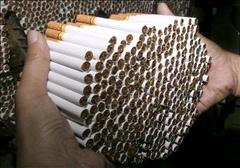 July 6, 2009 - Right in the middle of Australia's biggest city - Sydney you can walk into a shop and buy an illegal (illicit, black market, contraband) packet of under-the-counter cigarettes for $7. Apart from being much cheaper than the mainstream brands, which sell for about $13 a packet, they don't have any of those confronting health warnings.
The ready availability of illegal cigarettes, which are understood to be in stock near many housing commission estates around the country, runs counter to a blizzard of government policies designed to discourage smoking. These include a New South Wales (NSW) government ban on smoking in cars carrying children that started this week. (New South Wales - July 1, 2009 - Great Day for Tobacco Control..)
NSW will soon be the first state to introduce a ban on the display of cigarettes in shops, with other states to follow. On top of this, the Rudd government is widely expected to announce a sharp increase in taxes on cigarettes following the Preventative Health Task Force's final submission to Health Minister Nicola Roxon this week. There has been no increase in the tax for a decade.
Anne Jones, chief executive of anti-smoking lobby group ASH Australia, said selling cigarettes without health warnings was illegal in itself but on top of that the sellers of illegal cigarettes had evaded federal excise duty, which normally made up 69 per cent of the retail price, and had no doubt also failed to pay customs duties.
Inner-Sydney resident Les Shearman has been trying for years to expose the illegal cigarette trade because of his concern about its impact on his friends' health. He believes the ready availability of cheap cigarettes is a major factor in their excessive smoking.
The Weekend Australian accompanied Mr Shearman while he purchased an illegal packet from Broadway Tobacco, located on one of the city's busiest thoroughfares. It took only seconds for him to purchase the pack from the woman behind the counter. No questions. No fuss. "They are incredibly easy to get," he said.
While there are a number of illegal brands, the cigarettes on this occasion were called Magna 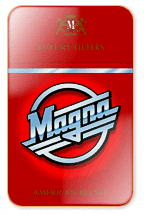 . They come in a plain red packet with no details apart from the name. They can be bought on the internet for as little as $US12.50 ($15.65) a carton.
While an occasional smoker himself, Mr Shearman said the multi-million-dollar illegal tobacco trade, both for "chop chop" and filter cigarettes, was having a bad impact on many of his neighbours. "I noticed that a lot of my male friends who are exclusively smoking illegal tobacco were developing hacking coughs," he said. "The cough is indicative of the volume they are smoking. It is a real, racking smoker's cough.
"We are talking about a group of people without much cash, and cigarettes at half the price is very attractive."
Ms Jones said price was the single biggest issue affecting tobacco consumption.
"Children are the most price responsive of all," she said. "Illegal cigarettes are being sold to low-income people, who not only as smokers will die a decade earlier than the average citizen, but will spend the last 10 years of their life with a chronic disease burden, desperately sick and unhappy."
Ms Jones said she could not understand why the government was allowing the illegal trade to flourish so blatantly.
Simon Chapman from the University of Sydney's School of Public Health said the laws were so easy to flout because the government was not taking its inspection duties seriously. "If it is so easy for the likes of you and me to find a shop selling illegal cigarettes, why is it so difficult for the Australian Federal Police to find them?" Professor Chapman said. "The answer is they have just not got their eye on the ball."
Another ban not enforced: Sydney, New South Wales, Australia - Councils responsible for Sydney's beaches have not fined one smoker, four years after the ban was introduced. (Cigarette beach ban goes up in smoke in Sydney, The Australian, 1/11/2009.
Reference: Illegal cigarette trade has plenty of puff, John Stapleton, The Australian, 7/4/2009.
Read more...

Australia - More on federal tobacco tax increase..
 July 6, 2009 - Australia may increase the price of cigarettes to help cut the number of smokers by 1 million people, the Australian newspaper reported, citing the Preventative Health Taskforce discussion paper.
The government may increase the price of a packet of 30 cigarettes to A$20 ($16), or raise the average price of a single smoke from 45 Australia cents to 67 cents, which would net an extra A$1.97 billion in taxes, the newspaper said.
Plain labeling of cigarette packets, a ban on internet sales and media campaigns are also recommended by the taskforce, the newspaper reported.
Kidney Health Australia said it would back any move to increase the tax on cigarettes, taking them to more than $20 a packet, to cut their use in the community - especially in children in the future. (Cigarette tax backed, Kidney Health Australia, 7/6/209)
See related story: Australia - federal government is currently analyzing recommendations for reducing smoking...
Reference: Cigarette Price Rise Considered by Government, Australian Says by Ben Sharples, Bloomberg.com, 7/6/2009.
Read more...
Joel Nitzkin, M.D. - arguments against the new law to have the FDA regulate the tobacco industry..
July 6, 2009 - As we all know President Obama signed into law a bill that gives the U.S. government broad regulatory power over cigarettes and other tobacco products. Obama said the law would curb the ability of tobacco companies to market their products to children.
But several public health professionals have come out strongly against the new legislation. They argue that it was largely shaped by Philip Morris, now called Altria Group, the largest cigarette company in the country. Democracy Now speaks with Dr. Joel Nitzkin, chair of the Tobacco Control Task Force of the American Association of Public Health Physicians (AAPHP).
Reference: Up in Smoke: How the Tobacco Industry Shaped the New Smoking Bill, DemocracyNow.org, 7/2/2009.
Read more...
Indonesia - Industry minister to close tobacco to new foreign investment..
 July 5, 2009 - Indonesian Industry Minister Fahmi Idris said Thursday that he will propose closing the cigarette industry for new foreign direct investment in order to protect existing producers.
Idris added that his ministry will also propose six other industries, such as sugar refinery and pulp-making, to be closed for foreign investors.
Such a proposal will be subject to approval by the president.
There are now around 8,000 local cigarette producers, Idris said, and they are mostly small companies.
Such a proposal will be subject to approval by the president.
There are now around 8,000 local cigarette producers, Idris said, and they are mostly small companies.
Phillip Morris International and British American Tobacco Plc (BAT.LN) are the biggest foreign investors in the industry and have majority stakes in two large local producers.
Philip Morris International (PMI) back in March of 2005 purchased an Indonesian company PT HM Sampoerna.Phillip Morris acquired a 98% stake in PT HM Sampeorna (HMSP.JK) for $4.8 billion in 2005, and BAT last month bought an 85% stake in PT Bentoel International Investama (RMBA.JK) for $494 million.
Reference: Indonesian Min: To Propose Closing Cigarette Indus For New FDI (Foreign Direct Investment) by Jakarta Bureau; Dow Jones Newswires, Wall Street Journal, 7/2/2009.
Indonesia related news briefs: Indonesia Finance Ministry to cap tax decductions for tobacco companies..; Indonesia - Smoking hits poor families the hardest, making the poor even poorer..; Indonesia - Cigarette makers defy crisis, grows stronger..; Indonesia - government may raise cigarette excise tax next year..; WHO - Indonesia is crying out for your help..; Indonesia - dispute with U.S. over banning the use of clove in cigarettes..; Indonesia 'cash cow' for Philip Morris International..; Tobacco industry has long targeted young people as "replacement smokers"; Indonesia - district court dismisses request to ratify FCTC..; Asean Countries - Tobacco Industry Blocking Global Treaty On Tobacco..; Indonesia - farmers hold rally protest tobacco controls..; Indonesia - tobacco farmers reject Islamic council's edict..; Indonesia - Ulema Council - debate results is split on smoking..; Indonesia - Withdraw Sponsorhip of Another Rock Concert..; Indonesia to increase tax on tobacco products..; Semarang, Indonesia - Cigarette Smoking Areas to be Prepared..; Jakarta, Indonesia - Malls help enforce non-smoking ban..; Indonesia - federal anti-smoking laws in one year - MAYBE..; Indonesia - NGO's (non-government organizations) Demand the Government Ratify WHO's FCTC.; Indonesia to raise cigarette tax by 6 to 7% in 2009..; Surabaya, Indonesia - anti-smoking bylaw 10/2009 - FOR REAL??; Indonesians smoking more than ever before..; Indonesia further rise in the excise tax would hurt the cigarette industry..; Alicia Keys - Jakarta Concert (July 31st) tobacco companies forced to withdraw sponsorship.. and Most Indonesians support moves to ban tobacco advertisements...
Read more...
Croatian coffee shop owners looking for break from smoking ban....
 July 5, 2009 - On May 6, 2009, the Croatian government blew its whistle and put a big stop sign to smoking. As the law stipulates - those who are caught smoking in an indoor public place shall be slapped with 1000 Kuna (198.93USD, 136.51EUR) fine for smoker and 15,000 Kuna (2,983.89USD, 2,047.68EUR) for business owner to ensure that Croatian public knows that the government means business this time (no pun intended.) Since the Croatian government guards public places keenly watching for smokers who consist of more than half of the coffee shops' costumers started to wane their regular visits to coffee shops for their daily fresh espresso and cigarette ritual.
During the first month after the law was strictly enforced, the once smoke filled coffee shops are not only devoid of smoke but with customers as well. It's an awful scenario to see coffee shops with empty seats throughout the day.
The owners' petition to establish categories among coffee shops whether smoking or non-smoking has already reached the government. Whether the government considers it seriously or flexes its muscles or plays arm wrestling, the response to their plea is well much anticipated.
In the meantime, coffee buffs continue to sip their hot espresso and puffs their cigarettes on warm sunny days in open air terraces and enjoying the feeling while it lasts.
Reference: Croatia's Smoking Ban Takes Off and Takes Ashtrays Away, Joy Avelino-Filipovic, American Chronicle, 6/30/2009.
Related news briefs: Croatia - adjusting to new smoking ban..; Croatia begins enforcing smoking ban on May 6, 2009..; Croatia cigarette prices to go up April 1, 2009...; Croatia - ban in smoking in public places goes in effect.., Croatia - A ban on smoking went into effect on October 27, 2008.., Croatia Aims at More Stringent Anti-smoking Laws...
Read more...
Dutch bar owners without staff when victory against smoking ban..
 July 5, 2009 - THE HAGUE (AFP) – Dutch bar owners won a new victory in their fight against a smoking ban on their premises when an appeal court cleared two of them of breaking the law and quashed a 1,200 euro fine.
Related news brief: Court spares small Dutch cafe over smoking ban..
"The law contains no formal obligation for landlords of cafes, restaurants and hotels without staff to implement a smoking ban," the appeal court at Leeuwarden in the northern Netherlands (Holland) said in a statement.
It overturned the verdict handed down in a lower court against the pair from Groningen who became the first to be prosecuted following the introduction of the nationwide ban a year ago.
In May the appeals court of Den Bosch, in the southern Netherlands, upheld the acquittal of the two owners of the Victoria cafe in Breda, near the Belgian border.
"The court finds that the (ban) is partly non-binding, as it lacks legal grounding" regarding establishments with no staff, said a court statement.
The ban on smoking in the hotel, restaurant and catering industry had sought to protect staff from the dangers of second-hand smoke inhalation.
Several thousand small bars and cafes in the Netherlands united late last year to defy the smoking ban and create a joint legal defence fund, arguing they lacked the floor space and money to erect separate smoking-only areas.
A recent Dutch health ministry study found that 62 percent of Dutch cafes saw a drop in business in October and November 2008, compared with a year earlier, on account of the smoking ban.
Reference: Dutch bar owners win new victory in fight against smoking ban, Agence France Presse (AFP), 7/3/2009.
Related news briefs: Netherlands - Marijuana /Tobacco Cigarettes - Confusion..; Netherlands - small bars/cafes with no staff could be exempt from smoking ban..; Court spares small Dutch cafe over smoking ban..; Netherlands - 1st court case for flouting smoking ban..; Netherlands - ban on smoking in bars and restaurants NOT enforced..; Netherlands - ban on smoking in bars and restaurants NOT enforced..; Netherlands the smoking ban must be enforced - Ab Klink, Health Minister...; Congratulations are in order: Netherlands, Romania & Alberta...
Read more...
United States is now ready to ratify the WHO FCTC


July 5, 2009 - United States is now ready to ratify the World Health Organization (WHO) Framework Convention on Tobacco Control (FCTC) public health treaty.
With legislation to strengthen tobacco regulation now signed into law, public health groups are pushing for the Senate to ratify a treaty on tobacco control that has languished for five years.
Though the United States signed the treaty in May 2004, President George W. Bush never submitted it for approval by the Senate, the final step in the process.
The tobacco treaty took effect for the nations that ratified it in February 2005.
 The WHO FCTC is the first global health treaty negotiated under the auspices of the WHO. This convention is an evidence-based treaty that includes measures related to reducing demand for tobacco (e.g. price and taxation, protection from exposure to tobacco smoke, product regulation, education, restrictions on advertising, promotion, and sponsorship), as well as measures related to the supply of tobacco (e.g., illicit trade, sales to minors).
To date, more than 160 countries have ratified the FCTC. It's time for the USA to take an active role.
Reference: Health groups back tobacco treaty by James R. Carroll, Louisville Courier-Journal, 7/3/2009.
Read more...
Australia - federal government is currently analyzing recommendations for reducing smoking..
 July 5, 2009 - The federal government is being urged to slash smoking rates by 9 percent over the next decade (current rate of smoking less than 20 percent). As a result the government is currently analyzing a series of recommendations aimed at reducing smoking rates put forward by the National Preventative Health Taskforce.
The report, being examined by Health Minister Nicola Roxon, urges the Federal Government to slash smoking rates in the next decade to 9 percent of the adult population, cutting the number of people 14 and older who smoke daily from 3 million to 2 million. It is believed a price rise could convince 306,000 adults to quit and prevent 183,000 children from eventually taking up the habit.
Newspaper reports say the yet-to-be-released recommendations suggest increasing the tax on cigarettes to more than $20 a packet and a move to plain packaging. Unlike most other developed nations, Australia has not increased tobacco excise and customs duty since 1999, except for the regular twice-yearly increase to cover inflation.
The plan has been strongly backed by anti-smoking organisations such as the Public Health Association, the Cancer Council and the National Heart Foundation but has alarmed cigarette companies, which are claiming such changes could be unlawful.
Under the changes, cigarette packets would be generic and plain with larger graphic health warnings taking up about 90 percent of the front and 100 percent of the back.
Newspaper reports say tobacco companies also face a blanket ban on all sponsorship, internet sales, public relations activities and corporate responsibility donations.
A few related news briefs: Australia - will the federal tax on cigarettes increase..; Australia - increase tobacco tax 50% - 74% of smokers would try to quit..; Australia - providing cigarette ingredients to smokers won't help them quit..; Australia - National Youth Tobacco Free Day Friday - March 27, 2009..; Australia - wants to move up date for fire-safe cigarettes..; Australia NO cigarette price increase since 2001...
References: Smokers priced out of the habit, Josh Gordon and Eamonn Duff, The Sydney Morning Herald, 7/5/2009; Smokers face $20 cigarette packs, ABC News, 7/5/2009.
Read more...

Let's Get It Passed - Prevent All Tobacco Trafficking Act of 2009..
 July 4, 2009 - Senator Herb Kohl is sponsoring a bill which would clamp down on illegal tobacco sales. H.R. 1676, the Prevent All Cigarette Trafficking Act (the PACT Act) of 2009, was passed 397-11 by the House of Representatives on Thursday, 5/21/2009.
This legislation is extremely important, it will effectively end Internet and telephone tobacco smuggling by stopping shipments of cigarettes and smokeless tobacco through the U.S. Postal Service. FedEx, UPS, and DHL have already agreed not to mail tobacco.
The rationale of the bill is as follows:
(b) Findings- Congress finds that--
(1) the sale of illegal cigarettes and smokeless tobacco products significantly reduces Federal, State, and local government revenues, with Internet sales alone accounting for billions of dollars of lost Federal, State, and local tobacco tax revenue each year;
Complete rationale for bill - Prevent All Cigarette Trafficking Act of 2009 by Eternal Hope Digg, DailyKus.com, 7/4/2009..
Related news brief: U.S - PACT legislation passed by House..; U.S. - PACT Legislation to be considered by House this month..; We must get the United States Postal Service (USPS) out of the tobacco delivery business..; PACT Legislation now in the U.S. Senate Judiciary Committee..; U.S. House Passes Bill to Prevent Tobacco Delivery By Mail..; We must get the United States Postal Service (USPS) out of the tobacco delivery business.. and Protect Our Children - Make it illegal to use the U.S. Postal Service to deliver any form of tobacco product...
Read more...
Ukraine - lost cigarettes flooding Europe..
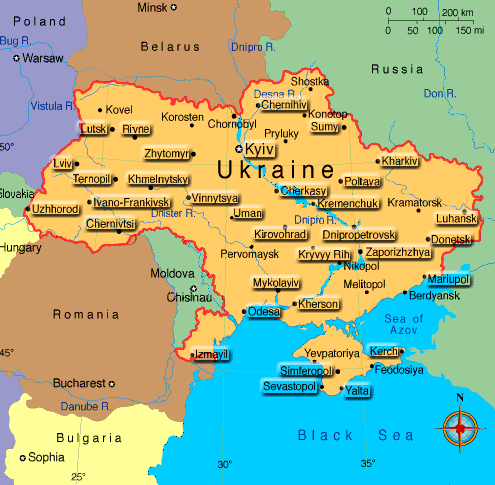
 July 4, 2009 - Ukraine is home to some of the world’s cheapest cigarettes — at $1.05 per pack — making the country a bonanza for smugglers. Loads move by car, truck, bus and train, bound for other European countries where high taxes make packs cost as much as $5 (Germany) or $10 (United Kingdom).
The world’s four leading multinational tobacco companies, Philip Morris International, Japan Tobacco International (JTI), Imperial Tobacco, and British American Tobacco (BAT), have produced billions of excess cigarettes in Ukraine, fueling a teeming black market that reaches across the European Union. Today, Ukraine is rivaled only by Russia as the top source of non-counterfeit brand cigarettes smuggled to Europe, EU officials say.
The growing traffic pushes huge supplies of cheap, untaxed, and unregulated cigarettes into the rest of Europe, undercutting otherwise successful attempts to curtail smoking. Worse, officials say, the trade is boosting organized crime gangs, who find the soft penalties and big profits hard to resist.
Each year, Ukraine’s cigarette consumption and legal exports top 100 billion sticks, according to Ukraine’s Ministry of Health. Yet in 2008, tobacco companies manufactured and imported nearly 130 billion cigarettes — 30 percent in excess of what the local market can consume. These “extra” cigarettes disappear in the market, feeding an illicit trade that is worth, conservatively, $2.1 billion annually. Ukrainian cigarette production, meanwhile, has steadily risen since 2003, according to an analysis by ICIJ of data compiled by SOVAT, a tobacco and alcohol industry association, and Ukraine government statistics. In fact, cigarette production in Ukraine increased one-third between 2003 and 2008 — from 96.8 to 129.8 billion — with JTI and Philip Morris leading that trend.
Philip Morris, BAT, JTI, and Imperial — control 99 percent of the Ukrainian cigarette market.
Internet merchants are also making a windfall from Ukraine-made cigarettes. A Web search for “cheap Ukrainian cigarettes” yields about two dozen online stores, most of them located in neighboring Moldova. The sites offer all the well-known brands, from Marlboro to Winston, with Ukrainian tax stamps and health warnings. The price is $22 for a carton (10 packs) of Marlboro — about three times cheaper than prices in the EU. The sellers claim that they will skip customs inspections at the destination country. If customs does try to charge a duty tax, customers are advised to reject the package and ask for their money back. Also plentiful on Ukrainian Internet sites are classified ads offering Ukrainian cigarettes delivered to the EU “in large quantities,” “on constant basis” and “without any paperwork.”
Konstantin Krasovsky, of the Ukraine Ministry of Health, says tobacco companies are doing little to stop smuggling. In Krasovsky’s view, the only way to halt smuggling is to make the trade unprofitable for manufacturers. He and other tobacco control advocates propose that, much like in the Philip Morris-EU agreement, tobacco companies in Ukraine be forced to buy back their seized cigarettes at market prices.
Reference: Ukraine’s ‘Lost’ Cigarettes Flood Europe Big Tobacco’s Overproduction Fuels $2 Billion Black Market by Vlad Lavrov, Tobacco Underground The booming Global Trade in Smuggled Cigarettes, Center for Public Integrity, 6/28/2009.
Click on image to enlarge, graphic by Stephen Roundtree..
Read more...
South Dakota - anti-smoking leaders challenge petition..
 July 4, 2009 - Opponents of the South Dakota smoking ban collected enough signatures to delay the ban that would have started on July 1st. The referendum petitions had prevented the ban from taking effect July 1 at the same time as most other new South Dakota laws passed by the Legislature last session.
Leaders of South Dakota’s anti-tobacco movement filed a last hour challenge to their referendum petitions Thursday, July 2nd. If the petitions survive the challenge, a statewide vote would be held as part of the November 2010 general election.
That’s because the leader of South Dakota’s anti-tobacco movement filed a last hour challenge to their referendum petitions Thursday.
The referendum petitions had prevented the ban from taking effect July 1 at the same time as most other new South Dakota laws passed by the Legislature last session.
If the petitions survive the challenge, a statewide vote would be held as part of the November 2010 general election. But if Jennifer Stalley of the American Cancer Society is right, there won’t be a vote at all and the ban would kick in when the legal dust settles. Stalley delivered a thick binder to the office of Secretary of State Chris Nelson, whose staff oversees election compliance, challenging the petitions at about 4 p.m. Thursday.
In her affidavit, Stalley claims there are 9,891 signatures on the petitions which are invalid because they don’t comply in some way with state requirements. Her goal is to have sufficient signatures thrown out so that the smoking ban’s opponents don’t meet the minimum of 17,776 valid signatures necessary for the referendum to proceed.
Deputy Secretary of State Teresa Bray indicated the next step is to begin looking at each one of the 9,891 challenges.
Reference: State vote no longer certain on smoking ban for bars, cafés, The Daily Republic, 7/3/2009.
Related news briefs: South Dakota - smoking ban to start July 1, 2009 may be delayed..; South Dakota - opponents try to stop extended smoking ban..; South Dakota - extends smoking ban effective July 1, 2009...
Read more...
Florida's New Tobacco Law - non-Indian tribe members on Indian reservations may no longer dodge the tax..
 July 4, 2009 - On Wednesday, July 1st a blanket state tax exemption for cigarettes sold to Indian tribes was replaced by a more complex matrix of fees. The provision is part of a larger $1 surcharge on all cigarettes sold in the state, an effort by lawmakers expected to raise more than $900 million a year.
Florida - As of July 1, 2009 Florida's new cigarette tax is $1.34 per pack. An equivalent increase applies to smokeless and pipe tobacco, but not cigars.
The new law still allows tribal members to purchase cigarettes at reservation retailers without paying the $1 tax. In theory, non-Indians purchasing cigarettes at reservation shops must pay the tax – an attempt to deal with concerns that raising the cigarette tax would simply drive smokers to buy their smokes from tribal retailers. Enforcement may be tricky.
Each tribe will be allotted coupons for tax-free cigarettes based on its size. The law allows each member to receive five packs per day, or 182 cartons of cigarettes over the course of a year. With 3,500 members, the Seminole Tribe, for example, would receive coupons for 6.4 million packs, or 1.27 billion cigarettes.
About 26 million packs of cigarettes are sold each year at stores on the Seminole and Miccosukee reservations, according to the Florida Department of Business and Professional Regulation, which is charged with regulating cigarette sales. Because tribes are sovereign nations, the state can’t stop them from selling cigarettes or force them the tax.
The plan, therefore, targets wholesalers, who would collect coupons from tribal retailers in lieu of the tax. Wholesalers would turn in the coupons to state regulators along with information matching tribal sales. Wholesalers would not be reimbursed by the state for cigarettes sold in excess of the tribal allotment. That is, if the tribe sold more cigarettes than the government thinks it would sell just to its own members then the wholesaler is going to be on the hook for tax on cigarettes presumably sold to non-Indians.
“We’re not going to be looking at individual sales,” said Jenn Meale, DBPR spokeswoman. “We’ll be focusing on the allotments.”
The law allows the state to enter into agreements with the tribes over cigarette revenue, a provision that would supersede legislation that went into effect Wednesday.
“The Seminole Tribe has moved ahead to charge the sales tax,” said Gary Bitner, a spokesman for the tribe. “It’s also studying its options for the future.”
Copyright © 2009 Jaxobserver
Related news brief: Florida - besides tobacco tax increase Senate wants to restrict tax-free sales..
Read more...
Tobacco company giants expelled from conference to negotiate a protocol on illicit tobacco products trade..
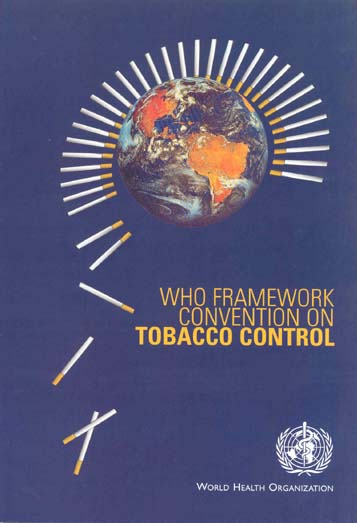 July 4, 2009 - More than 130 countries agreed late Wednesday, July 1st to expel the tobacco industry from the rest of the weeklong meeting of parties to the 2005 Framework Convention on Tobacco Control (FCTC). The U.N. backed eight-day conference of the Parties to the WHO Framework Convention on Tobacco Control is meeting in Geneva, Switzerland (June 28th - July 5th) to draft and negotiate a protocol on illicit trade in tobacco products. Governments are considering a range of measures to crack down on contraband cigarettes, including a ban on Internet sale of tobacco products and a crackdown on smuggling through duty free zones. The multinational tobacco giants such as Philip Morris International (PMI), British American Tobacco (BAT) and Japan Tobacco (JT) have a strong presence.
In contrast to the previous two negotiating sessions, this week the public gallery has been packed full of tobacco industry lobbyists. On Monday, June 29th there were more than forty people in the gallery. Twenty-three of the twenty-eight people willing to identify themselves were from the tobacco industry, including twelve from BAT, seven from JT, one from Imperial Tobacco, and one from the Tobacco Institute of South Africa.
The FCTC Article 5.3 guidelines instruct ratifying countries to “Establish measures to limit interactions with the tobacco industry and ensure the transparency of those interactions that occur” (Recommendation 2).
Big Tobacco Attempts to Smuggle Loopholes Into Global Tobacco Treaty..
"We (the governments) decided not to permit the tobacco industry to enter the meeting because they could interfere in the negotiations," said Justino Regalado Pineda, the head of Mexico's National Office for Tobacco Control. "We have to protect people from their commercial interest to poison the population."
Philip Morris International, whose representatives sat in on meetings earlier in the week, said it was "disappointed" by the decision. "It sets a dangerous precedent for the United Nations in what should be a democratic and transparent process," PMI spokesman Greg Prager said.
British American Tobacco, too, opposed the decision. "We strongly believe that a successful fight against illicit trade can only come from direct co-operation between regulators, law enforcement authorities and the tobacco industry," BAT spokesman David Betteridge said. He said the debate leading to the exclusion was "instigated" by Corporate Accountability International.
The U.S.-based watchdog group said the decision was a victory for public health. "This action sends a clear message from customs, health and law enforcement officials that it's not business as usual for the tobacco companies," the group's international policy director Kathy Mulvey said.
References: Cigarette companies kicked out of tobacco meeting by Frank Jordans, Associated Press (AP) - Boston.com, 7/2/2009.
Related news briefs: Tobacco Underground - cigarette smuggling, 6-part series..; Eliminating global illicit cigarette trade would save lives and increase tax revenue...
Read more...
New South Wales politician smoking comment totally inaccurate..
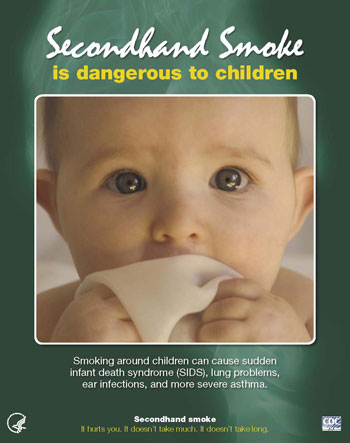 July 4, 2009 - As Professor Simon Chapman in the School of Public Health, The University of Sydney has stated the tough new New South Wales (NSW) laws are the biggest anti-smoking step in Australia since 1976 (when all tobacco advertising was banned on radio and TV). One of the most important laws that were implemented on July 1, 2009 is the law to make it illegal to smoke in a car when children are passengers.
 During a debate on this subject at Sydney University, a politician Tony Abbott claimed that NSW is playing nanny state politics with its ban on smoking in cars when children are present. Obviously this man did not prepare for the debate when he spouted off the comment that "smoking in front of children is a trivial issue and states should not intervene" just to gain attention.
Every parent wants their children to lead healthy and happy lives. There's an abundance of evidence that children are more susceptible to the negative effects of second-hand smoke (ETS, environmental tobacco smoke, involuntary smoking, sidestream smoke, passive smoking). Mr. Abbott from what we gather, has three daughters that by now may have their own children. Doesn't he care if his loved ones are exposed to tobacco smoke that could possibly effect their health.
As pointed out by Action on Smoking and Health (ASH) Australia in a February 2009 paper the evidence of second-hand smoke harm to children in enclose spaces is extensive and irrefutable. A 2004 survey of over 1300 Australians in 800 households showed over 90 percent (including 73 percent of smokers) support banning smoking in cars carrying children. A Harvard School of Public Health report indicated that secondhand smoke in cars can be up to 10 times more of a health risk than secondhand smoke in a home.
Vehicles have been found to be the most dangerous space for second-hand smoke levels. Kids exposed to smoke are at higher risk since they breathe in more air by weight than adults. Both the respiratory rate and heart rate are higher in children below the age of 13 than in adults. The younger the child, the greater the potential for exposure. Since the lungs of children are still developing, exposure to second-hand smoke can lead to ear infections, asthma, bronchopneumonia and other illnesses.
The NSW voting public should think twice about putting Mr. Abbott in office since at least on this subject he doesn't have the best interests of his constituents in mind.
Reference: Tony Abbott's smoking comment draws fire, Angus Hohenboken, Australian, 7/3/2009; Abbott slams 'trivial' smoking ban, ABC, 7/2/2009.
Some related news briefs: World Asthma Awareness Day..; Further evidence - STOP smoking in the presence of your children..; Ireland - ban smoking in cars when kids are present..; Ontario law banning smoking in cars with children takes effect ..; Maine - illegal to smoke in cars while children present..; Ban on smoking in cars when children are present..;
Read more...
FDA seeks public opinion on tobacco regulations..
July 3, 2009 - WASHINGTON -- The U.S. Food & Drug Administration (FDA) has announced that it is seeking public input on the implementation of its new authority overseeing tobacco products in the United States. The agency is inviting the public to provide information and share views on a variety of topics, from product content to advertising and marketing. All public comments will be posted online.
The FDA is establishing a public docket to obtain information on the implementation of the Family Smoking Prevention & Tobacco Control Act in order to provide an opportunity for all interested parties to provide information and share views on the implementation of the new law.
The deadline for submit written or electronic comments is Sept. 29, 2009.
To submit a comment electronically, click here. (Submit written comments to the Division of Dockets Management, HFA-305, FDA, 5630 Fishers Lane, Room 1061, Rockville, MD 20852.)
 Dr. Margaret A. Hamburg, commissioner of food and drugs (FDA): "We're interested in receiving input from across the country as the FDA begins to implement this important new authority intended to reduce the enormous toll of suffering and death caused by tobacco products in the United States. We look forward to the public's response."
On June 22, 2009, the President Barack Obama signed H.R. 1256, the Family Smoking Prevention & Tobacco Control Act, into law. The act grants the FDA important new authority to regulate the manufacture, marketing and distribution of tobacco products to protect the public health generally and to reduce tobacco use by minors. The act authorizes the FDA to require disclosure of tobacco product ingredients and additives; regulate "modified risk" tobacco products; create standards for tobacco products, including standards for the reduction or elimination of certain constituents; restrict sales, distribution, advertising and promotion of tobacco products; and require stronger health warnings on packaging.
It also requires the FDA to issue its 1996 final regulation restricting the sale and distribution of nicotine-containing cigarettes and smokeless tobacco products. The rule contains provisions designed to limit young people's access to tobacco products, as well as restrictions on marketing to curb the appeal of these products to minors.
Click here to view the the Family Smoking Prevention & Tobacco Control Act (H.R. 1256).
Reference: FDA Seeks Public Input on Tobacco Regulation Agency sets up forum for industry, citizens to offer comment, CSP Daily News, 7/2/2009.
Read more...
Indonesia Finance Ministry to cap tax deductions for tobacco companies..
 July 3, 2009 -Tax Regulations Might Snuff Out Ads for Cigarettes.. Finance Minister Sri Mulyani Indrawati issued the regulations on Tuesday, June 30, 2009 to cap tax deductions tobacco and pharmaceutical companies can claim for spending on advertising could provide tens of millions of dollars in additional government revenue.
Additionally, the companies are obliged to submit a report on their promotional and distribution spending plans or they will be unable to subtract the costs from total revenues at the end of the year. According to tax office chief Darmin Nasution, the regulation was aimed at limiting the amount of the costs for promotion and distribution that would be subtracted from the companies’ gross revenues, which eventually affect tax revenues.
In 2008, the tobacco industry paid IDR 60 trillion (EUR 4.2 billion) in taxes or about 10 per cent of total government earnings from taxes. Tobacco companies spent IDR 375 billion on advertising in the first quarter of this year, according to AGB Nielsen Media Research. (pi)
Industry players warned it would burden a sector that directly and indirectly employs more than one million people.
The rules cap the advertising tax deduction for cigarette producers with annual gross revenue of more than Rp 5 trillion ($490 million) at 1 percent of gross revenue, and less than Rp 100 billion overall. Deductions for companies with annual gross revenue of between Rp 500 billion and Rp 5 trillion have capped at 2 percent of gross revenue, up to a maximum of Rp 30 billion. Deductions for companies with annual gross revenue of Rp 500 billion or less have been capped at 3 percent, up to a maximum of Rp 10 billion.
The corporate income tax rate currently stands at 28 percent after all deductible components are taken out. With the latest change in the rules, the tax burden on cigarette firms is likely to increase significantly.
Niken Rachmat, head of corporate communications at PT HM Sampoerna, one of the country’s biggest cigarette manufacturers, said the company would be forced to cut advertising spend to comply with the new regulations, because the more it spends, the more tax it will have to pay.
“It’s capped at Rp 100 billion,” Niken said. “If we spent Rp 200 billion on ads, what would happen to the additional Rp 100 billion? We would have to include it in our revenue and it would be taxed. The bottom line is that it’s an attempt to limit our advertising.” Under the new regulations, Niken said, producers would be forced to choose between cutting ad spending or paying more taxes.
According to Sampoerna’s 2008 financial statements, the company posted Rp 34.68 trillion in revenue, while spending on advertising and promotions stood at Rp 1.165 trillion, or 3.36 percent of gross revenue — higher than the 1 percent cap and significantly higher than the Rp 100 billion maximum limit in the new rules.
Despite the threat of higher taxes, Naya Tirambintang, a tobacco industry analyst, said that cigarette firms were unlikely to cut spending on advertising. “Because of the nature of the business, their sales are highly dependent on the images they create through advertising,” Naya said. “If they are forced to cut their ad spending, there’s a possibility that sales could fall. This will pose a challenge to companies and shareholders, as their dividend payouts will also be lower.”
Both Niken and Naya said the new regulations could prove particularly damaging to the media industry, which garners a great deal of its advertising revenue from lavish tobacco campaigns.
One tax official denied that the government was trying to curtail cigarette advertising. “We’re not out to limit it,” Syarifuddin Alsah, the tax service’s director of taxation regulation, told the Jakarta Globe by telephone.
References: Tax Sweetener Won’t Curb Smoking Rate, Jakarta Globe, 7/1/2009; Govt caps deductible revenue for tobacco firms, Aditya Suharmoko and Benget Besalicto Tnb., The Jakarta Post, 7/1/2009; Deductible revenue for tobacco firms limited, Tobacco Journal International, 7/1/2009.
Indonesia related news briefs: Indonesia - Smoking hits poor families the hardest, making the poor even poorer..; Indonesia - Cigarette makers defy crisis, grows stronger..; Indonesia - government may raise cigarette excise tax next year..; WHO - Indonesia is crying out for your help..; Indonesia - dispute with U.S. over banning the use of clove in cigarettes..; Indonesia 'cash cow' for Philip Morris International..; Tobacco industry has long targeted young people as "replacement smokers"; Indonesia - district court dismisses request to ratify FCTC..; Asean Countries - Tobacco Industry Blocking Global Treaty On Tobacco..; Indonesia - farmers hold rally protest tobacco controls..; Indonesia - tobacco farmers reject Islamic council's edict..; Indonesia - Ulema Council - debate results is split on smoking..; Indonesia - Withdraw Sponsorhip of Another Rock Concert..; Indonesia to increase tax on tobacco products..; Semarang, Indonesia - Cigarette Smoking Areas to be Prepared..; Jakarta, Indonesia - Malls help enforce non-smoking ban..; Indonesia - federal anti-smoking laws in one year - MAYBE..; Indonesia - NGO's (non-government organizations) Demand the Government Ratify WHO's FCTC.; Indonesia to raise cigarette tax by 6 to 7% in 2009..; Surabaya, Indonesia - anti-smoking bylaw 10/2009 - FOR REAL??; Indonesians smoking more than ever before..; Indonesia further rise in the excise tax would hurt the cigarette industry..; Alicia Keys - Jakarta Concert (July 31st) tobacco companies forced to withdraw sponsorship.. and Most Indonesians support moves to ban tobacco advertisements...
Click on image to enlarge, An Indonesian that refused to quit..
Read more...
Ireland - tobacco display ban came into force on July 1, 2009..
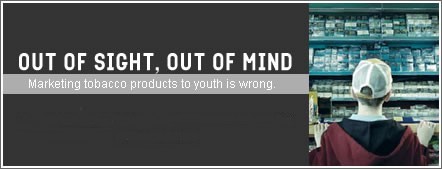 July 2, 2009 - Shops are no longer allowed to display tobacco products or tobacco advertising as part of the ban – the first of its kind to be introduced in Europe.
Irish retailers have campaigned for their right to display tobacco products since the proposals were first announced in 2001, believing the move would have a detrimental effect on small businesses.
MPs will cast their votes in the House of Commons next week on a proposed tobacco display ban for England and Wales as part of the Health Bill.
“It is disappointing that Ireland has gone ahead with this measure, particularly after retailers raised concerns that it would fuel the increasing black market, place a massive burden on shops, and do nothing to curb youth smoking,” said Ken Patel, national spokesman for the Tobacco Retailers Alliance.
"We hope that rather than follow Ireland's lead, the House of Commons votes against the ban and follows the example of New Zealand, where a decision to ban tobacco displays was dropped because of a lack of international evidence it would reduce youth smoking.
Reference: Tobacco display ban begins in Ireland, Beth Phillips, thegrocer.co.uk, 7/2/2009.
Some Ireland related news briefs: Ireland - Office of Tobacco Control 2008 annual report - Positive..; Ireland - modest penalty for cigarette smuggling..; Ireland - to amend tobacco legislation to to include pictoral warnings..; Ireland - as of July 1, 2009 no advertising or display of tobacco products will be permitted in retail outlets..; Ireland - cigarette tax abandoned over smuggling fears..; Ireland - may raise tax on cigarettes as part of emergency budget..; Ireland - ban smoking in cars when kids are present..; Ireland - further provisions of the Public Health (Tobacco) Acts 2002 and 2004 are to be commenced on 1 July 2009.; Ireland - 80% of smokers want a ban on tobacco advertising in shops to stop youngsters starting the habit..; Ireland to ban tobacco displays..; Ireland - reduction in admissions for acute coronary syndrome...
Read more...
BBC: a summary - recent wave of smoking bans around the world..

July 2, 2009 -
Smoking curbs: The BBC News Website traces the recent wave of smoking bans around the world as governments seek to improve the health of their populations.
Smoking curbs: The global picture..
Read more...
PMI to buy Swedish Match South Africa..
 July 2, 2009 - Philip Morris International Inc. (PMI) said today, July 2nd it has agreed to buy Swedish Match AB's South African operations for 1.75 billion South African rand, or roughly $222 million.
Swedish Match South Africa Ltd. reported sales of 687 million South African rand last year. Its brands include Boxer, Best Blend and Taxi. Philip Morris estimated that Swedish Match South Africa's pipe tobacco and snuff products represent about 31 percent of total tobacco consumption in South Africa.
In a statement, Jean-Claude Kunz, president of Philip Morris' Eastern Europe, Middle East and Africa region, said the deal "represents an excellent strategic fit for our business in South Africa," which he called an important market.
As cigarette demand falls, Philip Morris and other tobacco companies have focused on smokeless tobacco products and international markets to replace lost revenue.
In February, Philip Morris announced a 50-50 joint venture with Swedish Match to make and sell smokeless products like snus -- teabag-like pouches that users stick between their cheek and gum.
Philip Morris said it expects to complete the acquisition by the end of the fourth quarter, following approval by South African regulators. In a statement, Philip Morris predicted the deal will be "immediately marginally accretive" to its earnings per share.
Philip Morris, the world's largest non-governmental cigarette seller, separated from Altria Group Inc. in March 2008. It has offices in New York and Lausanne, Switzerland.
"This agreement with Philip Morris International is in line with Swedish Match's strategy to focus on smokefree tobacco, cigars and lights products," added Swedish Match President and CEO Lars Dahlgren in a statement.
Swedish Match agrees to sell South African operations to Philip Morris International.
Swedish Match South Africa will continue to distribute lighters, matches and cigars for Swedish Match, the company said.
Reference: Philip Morris to buy Swedish Match South Africa, Associated Press, Richmond Times-Dispatch, 7/2/2009..; Philip Morris International Announces Agreement to Acquire Swedish Match South Africa for $222 Million, Philip Morris International, 7/2/2009.
Read more...
Big Tobacco Attempts to Smuggle Loopholes Into Global Tobacco Treaty..
 July 2, 2009 - Today, July 1st NGOs (non-government organizations) released an exposé highlighting new tobacco industry tactics to undermine implementation of the global tobacco treaty, formally known as the World Health Organization Framework Convention on Tobacco Control (WHO FCTC).
The report comes at the midpoint of an eight-day negotiating meeting (June 28th - July 5th) in Geneva, Switzerland on a protocol to the FCTC on illicit tobacco trade, where tobacco giants such as Philip Morris International (PMI), British American Tobacco (BAT) and Japan Tobacco (JT) have a strong presence. The document, produced by Corporate Accountability International and the Network for Accountability of Tobacco Transnationals (NATT), criticizes FCTC Parties such as Lebanon and the Philippines for collaborating with tobacco corporations and falling short of commitments under the treaty.
FCTC Article 5.3 obligates treaty Parties to “protect [public health] policies from commercial and other vested interests of the tobacco industry in accordance with national law.” Guidelines for the implementation of this measure were adopted at the third Conference of Parties (COP) last November in Durban, South Africa (full text available online). “In November, ratifying countries unanimously adopted rigorous guidelines to protect public health policy against tobacco industry interference,” explains Kathryn Mulvey, International Policy Director for Corporate Accountability International. “Now, Big Tobacco is trying to get governments to ignore their obligations under the treaty and make exceptions to these new rules. We urge the international community to reject the tobacco industry’s attempts to subvert the FCTC and derail the illicit trade protocol.”
We find the text of the entire disclosure is significant.
Big Tobacco Attempts to Smuggle Loopholes Into Global Tobacco Treaty Ratifying countries criticized for collaboration with Philip Morris International and British American Tobacco, CONTACT: Corporate Accountability International Bryan Hirsch, +41 76 547 3476
Susan Cavanagh, +41 78 626 4490, 7/1/2009.
Related news brief: Eliminating global illicit cigarette trade would save lives and increase tax revenue.. New Report from the Framework Convention Alliance: "How Eliminating the Global Illicit Cigarette Trade would Increase Tax Revenue and Save Lives."
Read more...


To Provide Public Awareness
Purpose
About Us
Contact Us
2008 HIGHLIGHTS
TOPIX PAPERS - 2008 & 2009..